Find Calm in Minutes, Not Hours

Discover a nimble way to care for your body and mind wherever life takes you. Today we’re exploring Pocket Retreats: Tiny Yoga and Mindfulness—portable, science-informed practices that fit into commutes, meetings, and family routines. Expect micro-flows, breath resets, and attention rituals you can actually keep. Try one right now, notice even small shifts, and share your experience so we can refine these compact practices together and build a supportive, responsive space for everyday restoration.

The Two-Minute Reset

Set a timer for two minutes and let it be a boundary that feels generous rather than demanding. Gently lengthen your exhale, unclench your hands, and soften your gaze. Notice where your breath meets your ribs and how your seat supports you. These micro-moments teach your nervous system safety, not urgency. Practiced often, they become a reliable bridge from reactivity to presence, helping you meet the next task with steadier attention and kinder expectations.

Breath as a Pocket Oasis

Your breath is always available and free of setup time, which makes it the perfect portable refuge. A simple pattern—inhale for four, pause for one, exhale for six—nudges your body toward relaxation without making you drowsy. Feel your shoulders grow heavier, your eyebrows soften, your thoughts loosen. Try three cycles before opening an email, starting the car, or returning a text. Over time, this becomes an automatic cue to recalibrate, preventing stress from gaining momentum.

Micro-Sequences for Busy Days

Short flows can fit between calendar blocks, before a call connects, or while a download completes. One to three minutes is enough to move your spine, unstick breath, and brighten attention. Choose sequences that respect your clothing, space, and energy, then repeat them until they feel second nature. Familiarity reduces decision fatigue, which keeps the barrier to starting delightfully low. Rotate a few reliable sets throughout your week, and let them quietly shift your baseline toward steadier comfort.

Science Behind Short Practices

Spaces and Tools You Already Have
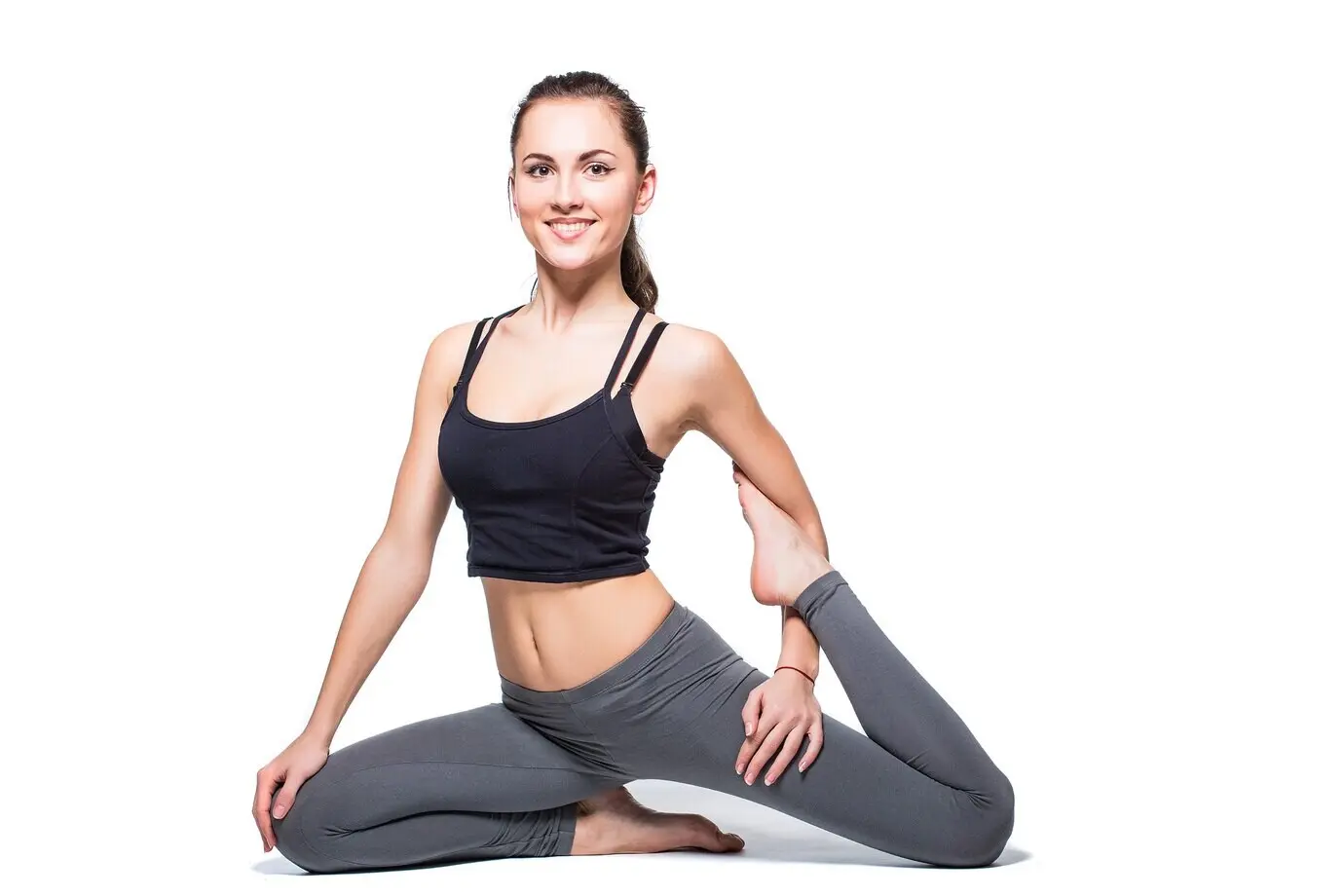
You do not need a studio, mat, or silence—just creativity and consent from your body. Chairs become sturdy partners, walls support balance, and doorframes invite opening. Phones can cue breath rather than feed stress. Backpacks, towels, and notebooks transform into props. By reimagining familiar spaces, you remove friction and increase frequency. Let your environment collaborate with you, shaping small sanctuaries in kitchens, corridors, and bus stops. Consistency grows fastest when effort feels woven into ordinary routines seamlessly.

A Parent Finds a Pause

Between school drop-off and a work call, one parent started a ninety-second window: three wide breaths by the sink, shoulder rolls, then a soft gaze at a distant tree. They report fewer snappy replies and a warmer tone with their kids. The routine only works because it is tiny and tethered to an existing moment. Some days they forget, then simply try again. The pause does not fix everything, but it keeps overwhelm from gaining early momentum.

Coder’s Wrist Rescue

A developer added a micro-protocol at each compile: interlace fingers, press palms forward, then stretch each forearm for two slow breaths. They mapped one keystroke to a breathing box animation for thirty seconds. After two weeks, wrist aches diminished, and late-day headaches faded. The biggest shift was psychological—knowing relief was near reduced anxiety about long sessions. They now invite teammates to join a daily ninety-second reset, building camaraderie without meetings or complicated scheduling demands.

Build Your Personal Pocket Plan

Identify Micro-Moments

Scan your schedule for moments you already have: waiting for passwords, sitting before a call, stepping outside to check the mail. These become anchors for your practices. Write them down and pick specific, tiny actions for each. The goal is not intensity but repeatability. When life shifts, update your anchors. Flexibility is the superpower here, ensuring your practices survive travel, deadlines, and unpredictable days without depending on perfect conditions or rigid, fragile expectations.

Design Cue–Routine–Reward

Scan your schedule for moments you already have: waiting for passwords, sitting before a call, stepping outside to check the mail. These become anchors for your practices. Write them down and pick specific, tiny actions for each. The goal is not intensity but repeatability. When life shifts, update your anchors. Flexibility is the superpower here, ensuring your practices survive travel, deadlines, and unpredictable days without depending on perfect conditions or rigid, fragile expectations.

Track with Compassion

Scan your schedule for moments you already have: waiting for passwords, sitting before a call, stepping outside to check the mail. These become anchors for your practices. Write them down and pick specific, tiny actions for each. The goal is not intensity but repeatability. When life shifts, update your anchors. Flexibility is the superpower here, ensuring your practices survive travel, deadlines, and unpredictable days without depending on perfect conditions or rigid, fragile expectations.

Mikilapumefizozameza
Privacy Overview

This website uses cookies so that we can provide you with the best user experience possible. Cookie information is stored in your browser and performs functions such as recognising you when you return to our website and helping our team to understand which sections of the website you find most interesting and useful.