Flow Freely When Floor Space Is Measured in Steps
Welcome, mover. Today we explore small-space yoga flows for studio apartments and dorm rooms, turning narrow corridors, low ceilings, and shared walls into supportive allies. You’ll learn breath-led sequences, furniture-assisted stability, and quiet transitions that respect neighbors while building strength, mobility, and calm. Expect smart spacing strategies, safety tips, and creative adaptations that fit a real life schedule, whether after class, between meetings, or during a midnight reset.
Boundary Mapping and Safe Lanes
Mark invisible lanes with tape, a towel, or the rug’s weave, then test transitions facing different directions. Keep knees tracking over toes when pivoting near chair legs, and plan exits from shapes so pets, cables, and low tables never surprise your balance.
Breath As Your Metronome
Use four-count inhales to enter shapes and six-count exhales to leave, lowering the heart rate and smoothing transitions. Quiet nasal breathing limits mouth noise in shared spaces, while consistent cadence prevents rushed movements that demand more floor space than your room allows.
Micro-Transitions That Save Space
Replace hops with tiptoe walks, switch broad step-backs for knee-down slides, and pivot on the ball of the foot rather than swinging the leg. These micro choices protect neighbors from thuds, conserve energy, and make flow chains feel artful, quiet, and deliberate.
Blueprints for Moving in Tight Quarters
Before sequencing, learn to read your environment like a moving map. Align the long edge of your mat with a wall, choreograph lateral steps instead of big lunges, and swap jump-backs for controlled walk-backs. Master breath pacing, micro-transitions, and gaze control to prevent collisions with furniture or roommates, while improving stability, balance, and nervous-system ease during short, consistent practices that fit busy calendars.
The Chair Flow: Anchor, Hinge, Restore
Use a sturdy chair for supported Half Sun, Chair Utkatasana, and forward folds with a neutral spine. The seat guides hip hinge angles, reduces lumbar strain, and invites longer breaths. End with seated twists, grounding sit bones while neighbors barely notice a sound.
Wall-Integrated Sun Salutations
Replace big backbends with wall-assisted sphinx, then flow into low lunge variations pressing fingertips into drywall for balance feedback. A slow roll-down teaches segmental control. The wall becomes your teacher, cueing scapular glide, stacked joints, and safe ranges that preserve precious room length.
Quiet Strength: Move Without Waking Anyone
Thin walls and creaky floors need mindful mechanics. Learn muscle engagement strategies that replace momentum, land transitions on soft tissues rather than bone, and use towel sliders for friction instead of hops. Footfall awareness, breath timing, and rubber bumpers under furniture reduce vibration, letting you train hard while remaining a considerate neighbor and protecting your joints from repetitive impact. One dorm resident told us towel sliders saved friendships during exam week.
Progressions Built for One Mat Width
Training gains thrive on repeatable patterns. Build linear progressions that respect a single mat’s width: split squats at the wall, heel-elevated calf work, and narrow-stance hinges with backpack loading. Cycle in mobility protocols for hips and thoracic spine. Week by week, small, dependable increments accumulate into strength, balance, and ease, all without moving furniture or disturbing downstairs neighbors.
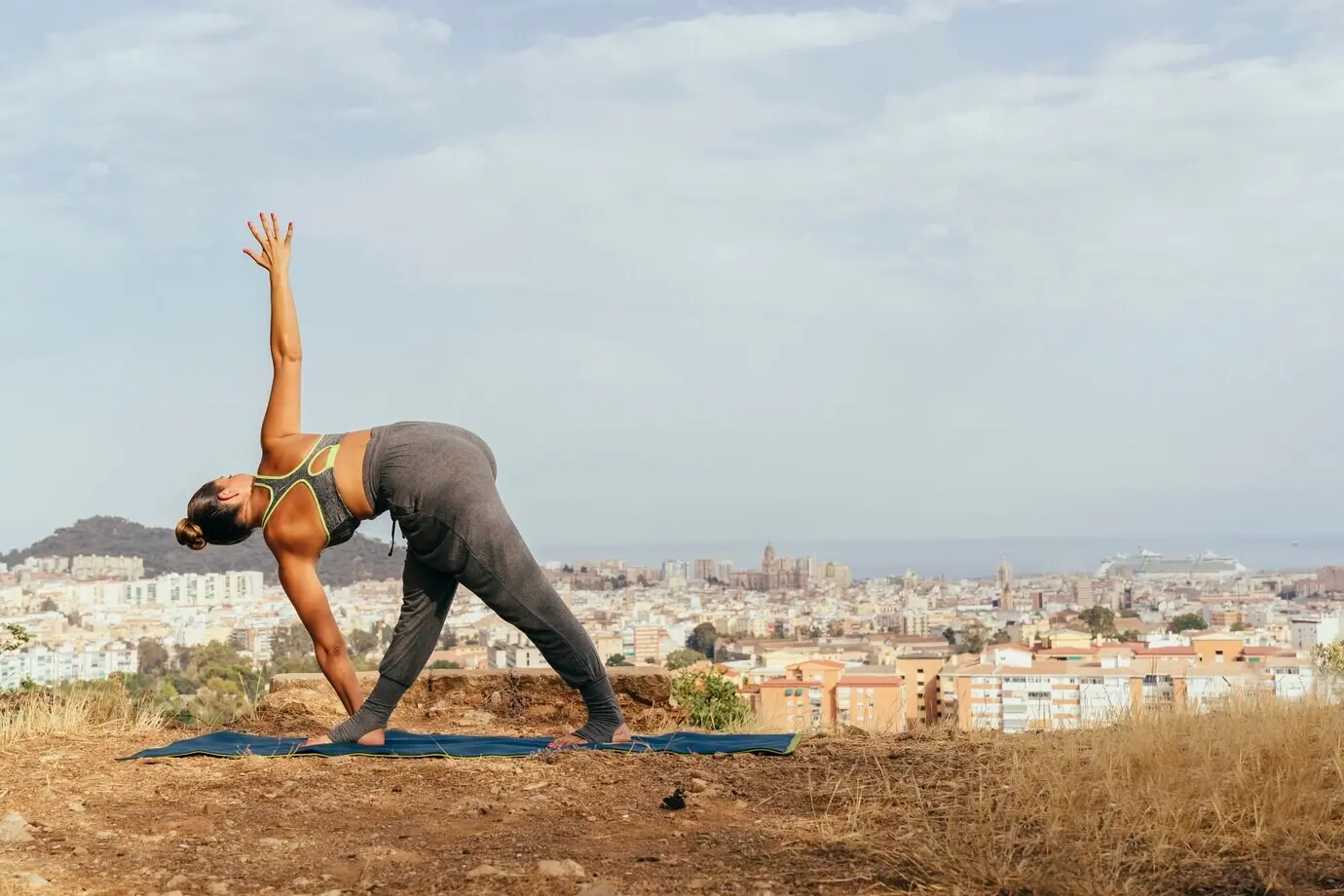
Micro-Flows for Study Breaks and Busy Days
When your calendar stacks tight, micro-flows keep momentum alive. Five to fifteen minutes can restore posture, refresh attention, and release jaw and hip tension. Design a morning spark, midday recalibration, and evening unwind, rotating them through the week so practice becomes dependable, restorative, and playful without demanding new furniture, special gear, or large, uninterrupted surfaces.
Five-Minute Reset Between Tasks
Stand, shake limbs to discharge tension, then cycle calf raises, wall angels, and a gentle spinal wave. Finish with two rounds of box breathing. This tiny circuit flips your concentration switch without sweat, shoes, or noise, setting you up for focused, kind productivity.
Ten Minutes to Undo Screen Posture
Alternate kneeling hip flexor openers with thoracic extensions over a cushion, then add wrist stretches and jaw releases. Finish with gentle eye palming to ease strain. You’ll stand taller, breathe easier, and return to your project with clearer attention and renewed patience.
Lunch-Break Energy Builder
Cycle supported lunges, standing cat-cow, and chair-assisted push-ups, pacing breath to avoid sweat. Keep the playlist low or practice in silence. End with a forward fold hang and three gratitude breaths to reset mood before reentering classes, emails, or hectic afternoon corridors.
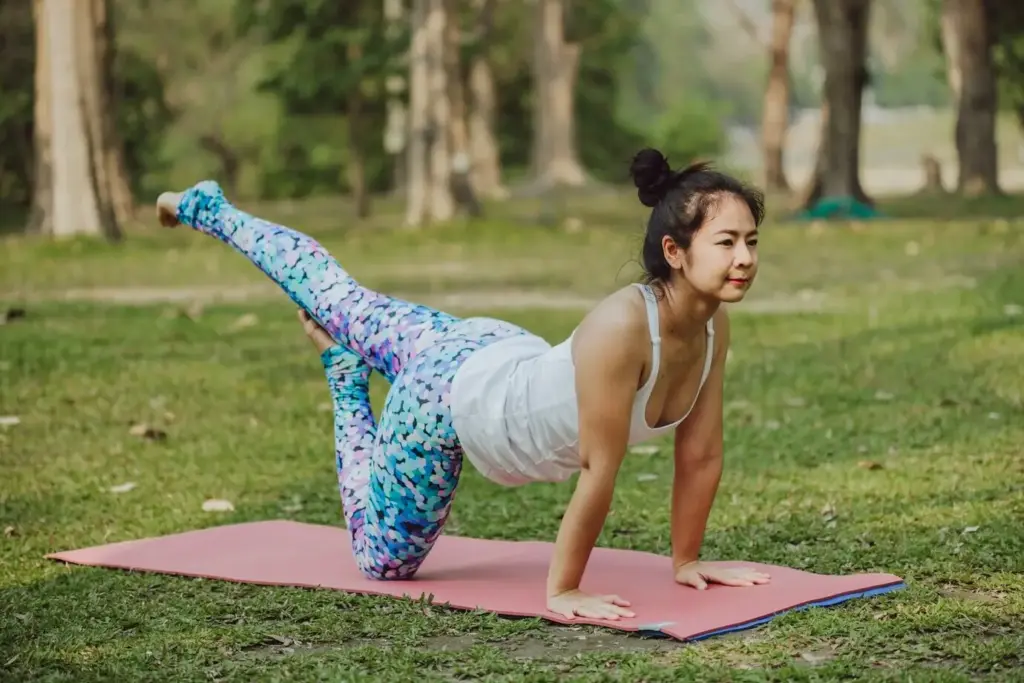
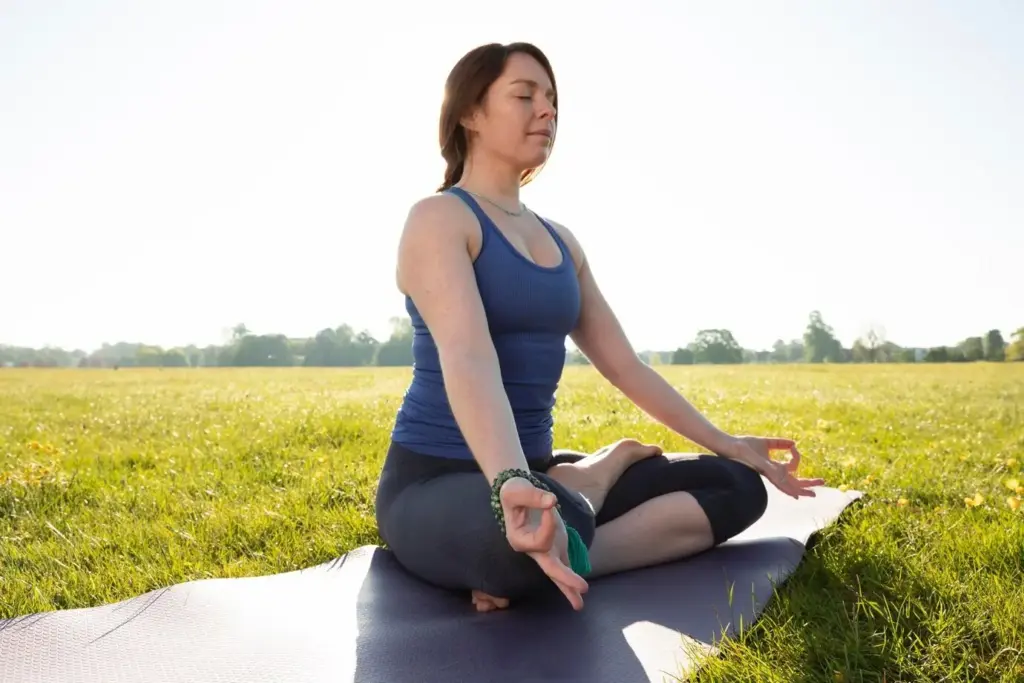
Community, Consistency, and Kind Accountability
Your practice flourishes with gentle accountability and shared inspiration. Build a tiny-space flow library, set calendar nudges, and celebrate streaks rather than perfection. Share questions, wins, or frustrations in the comments. Subscribe for weekly sequences, printable cards, and challenges designed for studios, dorms, and cozy rooms that welcome movement without disruption.
All Rights Reserved.